Poco a poco
Blog

Spanish conversation practice, in real moments.

Practice speaking Spanish in short scenes with one person and a few simple goals. Catch a bus in Mérida, order tacos in Oaxaca or take a taxi in Mexico City, with gentle help the moment you need it.

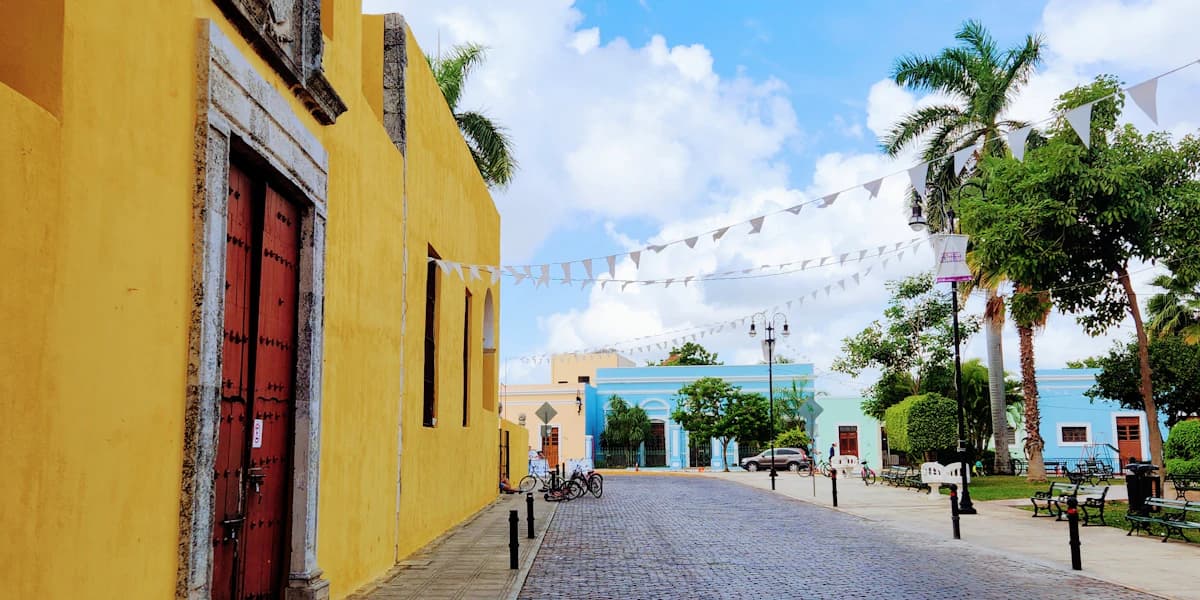
A yellow colonial street and plaza in Mérida, Mexico

En la parada del camión

Mérida · with Don Isauro

  • Done: Ask him what time it is
  • Done: Ask him if this bus goes to the centro
  • Ask him how much the ticket is
Buenas tardes. Hace mucho calor, ¿verdad?
Sí, mucho. ¿Esta camión va al centro?

Correction

¿Este camión va al centro?

Camión is masculine, so it’s este.

Sí, este camión va al centro. Pasa cada quince minutos.

Why practice Spanish conversation instead of more drills

You can know the word for ticket and still freeze when someone at a bus stop says buenas tardes. Tests and drills check what you remember. They rarely ask you to answer a real person, in the moment, with your own words.

Conversation practice fills that gap. You hear something, you reply, and the next line depends on what you said. Do that in enough small moments and speaking stops feeling like an exam.

You learn to talk by talking.

So every practice in Poco a poco is a conversation.

How a practice scene works

Scenes are short. Here is what happens inside one.

En la parada del camión

Mérida · with Don Isauro

  • Done: Ask him what time it is
  • Ask him if this bus goes to the centro
  • Ask him how much the ticket is

Step into a real moment

Order tacos, chat with a neighbor, catch a bus. Each scene has one person and a few simple goals, so you always know what to say next.


Buenas noches. ¿A dónde vamos?
Quiero ir al Zócalo, por favor.
Spoken · 0:03

Pronunciation

86/100

Zócalo

Stress the first syllable: ZÓ-ca-lo. The accent mark tells you where.

Answer out loud

Speak your reply, or type it when you'd rather. Spoken answers get a pronunciation score and a tip on the word that needs work.

¿Qué le sirvo? Tenemos tacos de pastor, de suadero y de chorizo.

Hint

He’s asking what you’d like. Tell him how many tacos you want, and which kind.

Quiero tres tacos de pastor, por favor.

I’d like three al pastor tacos, please.

Never get stuck

Ask for a hint whenever you need one, and use the suggested reply if you like. English is fine when you can't find the word.

En el mercado

Oaxaca

¿Cuánto cuesta los mangos?

Correction

¿Cuánto cuestan los mangos?

With more than one thing, the verb changes too.

Gentle corrections

Every mistake gets a quick fix right in the conversation, with the words that changed highlighted, so you learn it in the moment.

Practice where Spanish is spoken

Scenes are set in Mexico, home to more native Spanish speakers than any other country. Each one starts with someone talking to you.

  • Yellow colonial walls and a cobbled street in Mérida

    En la parada del camión

    Mérida · with Don Isauro

    “Buenas tardes. Hace mucho calor, ¿verdad?”

  • Pink and white taxis on a busy Mexico City street

    En el taxi

    Mexico City · with Don Beto

    “Buenas noches. ¿A dónde vamos?”

  • Colorful houses on an Oaxaca street with mountains behind

    En la taquería

    Oaxaca

    “¿Qué le sirvo? Tenemos tacos de pastor, de suadero y de chorizo.”

Help for the questions a conversation raises

Talking brings up questions. The answers sit right next to your scenes.

Valeria

Your tutor · Ask anything

What’s the difference between dura and tarda?

Dura is how long something lasts: La película dura dos horas.

Tarda is how long it takes to happen: El camión tarda mucho en llegar.

Ask your tutor

Ask Valeria to break down anything that’s confusing you, whenever it comes up.

Fundamentals · Lesson

Gender, articles and agreement

Every noun has a gender. The ending usually tells you which:

  • el libro the book

    -o: usually masculine

  • la mesa the table

    -a: usually feminine

  • la canción the song

    -ción: always feminine

Short lessons on the tricky parts

Simple narrated lessons that unlock as the topic comes up in your scenes.

Your podcast · 9 min

Useful Spanish for Travel

Based on our conversations about travel

Man El camión tarda mucho en llegar.

Host “The bus takes a long time to arrive.”

Podcasts made for you

Custom episodes are generated for you along the way, based on the conversations you’ve had.

The Spanish most people actually speak.

Most native speakers live in Latin America, and Mexico is home to more of them than anywhere else. Learn the Spanish they speak, and you’ll be understood wherever Spanish is spoken.

9 in 10

native Spanish speakers live in the Americas. Latin American Spanish is what you'll hear most, in the US too.

1 in 4

native Spanish speakers is Mexican, more than any other country. That's why our scenes are set there.

Everywhere

Understood from Bogotá to Barcelona, just as American English is in London.

Questions about Spanish conversation practice

What is Spanish conversation practice?

It means speaking Spanish back and forth with someone, instead of filling in tests and drills. In Poco a poco, each practice is a short scene with one person and a few simple goals, like asking a man at a bus stop how much the ticket is.

How can I practice speaking Spanish without a partner?

Start a scene. The person in it talks to you, and you reply by speaking or typing. If you get stuck, ask for a hint or ask your tutor, Valeria, what anything means.

I'm a beginner. Can I still practice conversation?

Yes. Scenes are short and the goals are simple, so you always know what to say next. English is fine when you can't find the word, and short lessons on basics like greetings and numbers unlock as they come up in your scenes.

What happens when I make a mistake?

You get a quick fix right in the conversation, with the words that changed highlighted and a one-line reason. For example: ¿Este camión va al centro? Camión is masculine, so it's este.

Which Spanish will I learn?

Latin American Spanish. Most native speakers live in the Americas and more of them are Mexican than any other nationality, so the scenes are set in Mexico. It's understood wherever Spanish is spoken.

How do I know I'm improving?

Each finished scene shows scores for effort, fluency and pronunciation, and your progress page counts the scenes and lessons you've completed.

Why not just practice with ChatGPT voice?

You can, and it's a good partner for open chat. Poco a poco gives the practice a structure: short scenes set in Mexico with one person and a few goals, feedback on your responses including corrections and alternative phrasings, and pronunciation scoring to let you know which words need more practice.

When can I start?

Poco a poco launches on November 16. Join the waitlist and we'll let you know when your first scene is ready.

Your first conversation starts November 16.

Join the waitlist and we’ll email you when Poco a poco opens. Little by little, you’ll get there.